Aarhus Petrology Group (APG) unites staff and students studying the petrological processes that have shaped Earth and other bodies in the Solar System. We have research interests ranging from the properties of meteorites, Mars, Earth’s mantle, to the understanding the evolution of the continental crust, to the understanding resource formation and sustainability.
We also maintain the Nordic Meteor Network, which is a citizen science project that has meteor cameras deployed around Denmark and is part of the Global Meteor Network. You can read more here: www.nordicmeteors.net.
For examples of recent petrological research outputs and research directions, please see the publication list of James Scott.
Petrology is fundamental to understanding how Earth’s crust, mantle and surface have evolved through time, and it links these processes. In addition:
1) Petrology is essential for addressing climate change and net-zero goals. For example, it underpins carbon capture and storage (CCS) processes by establishing the appropriate rock types for carbonate precipitation and understanding the reactions that take place.
2) Petrology is essential to national security. Mineral resources are essential for developing technologies, energy independence and climate resilience. The transition to a greener economy requires petrological insights, as we can help interpret critical mineral deposits (Li, Co, REE, etc) that are vital for electrical vehicles and electronics – as well as those resources that are still essential to our way of life such as material for steel or concrete.
3) Petrology is a science enabler. Through the linkage of geochemistry, mineralogy and tectonics, we can interpret a huge variety of processes taking place on Earth. Petrologists are also very important members of modern and past space missions – there was a trained geologist on an Apollo Moon mission, and all the Mars missions have petrologists associated with them.
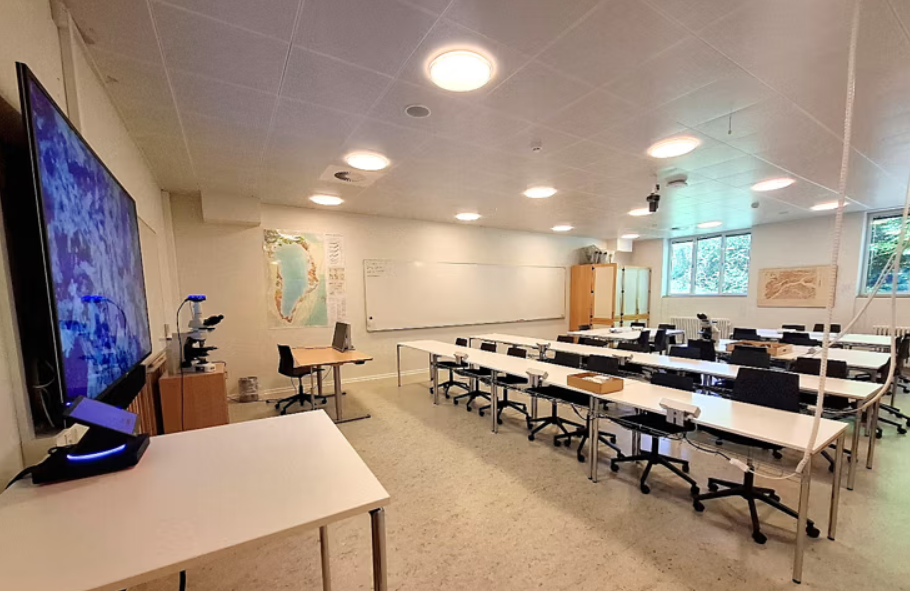
Mineralogy (3rd semester) introduces students to rocks and minerals, as well as techniques for analysing these rocks. The course has lectures and laboratories.
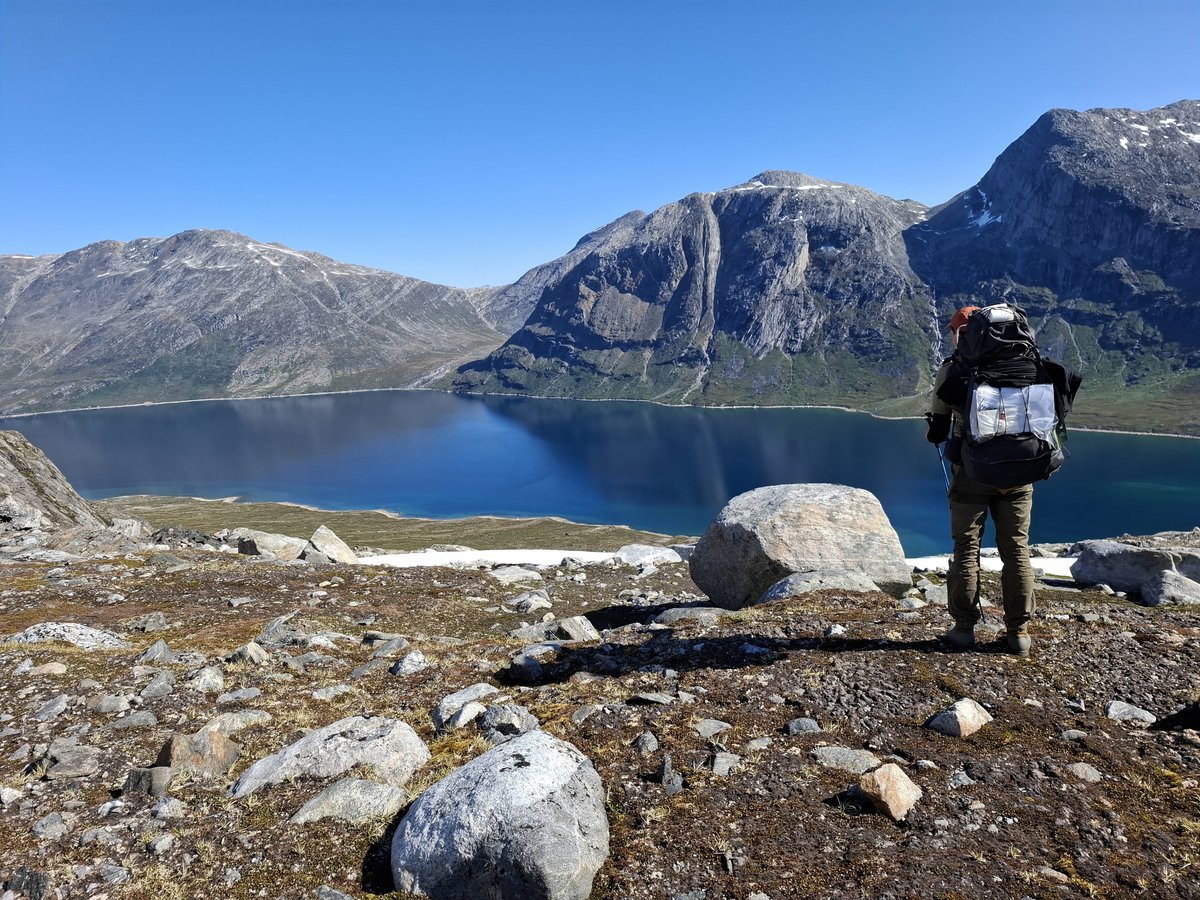
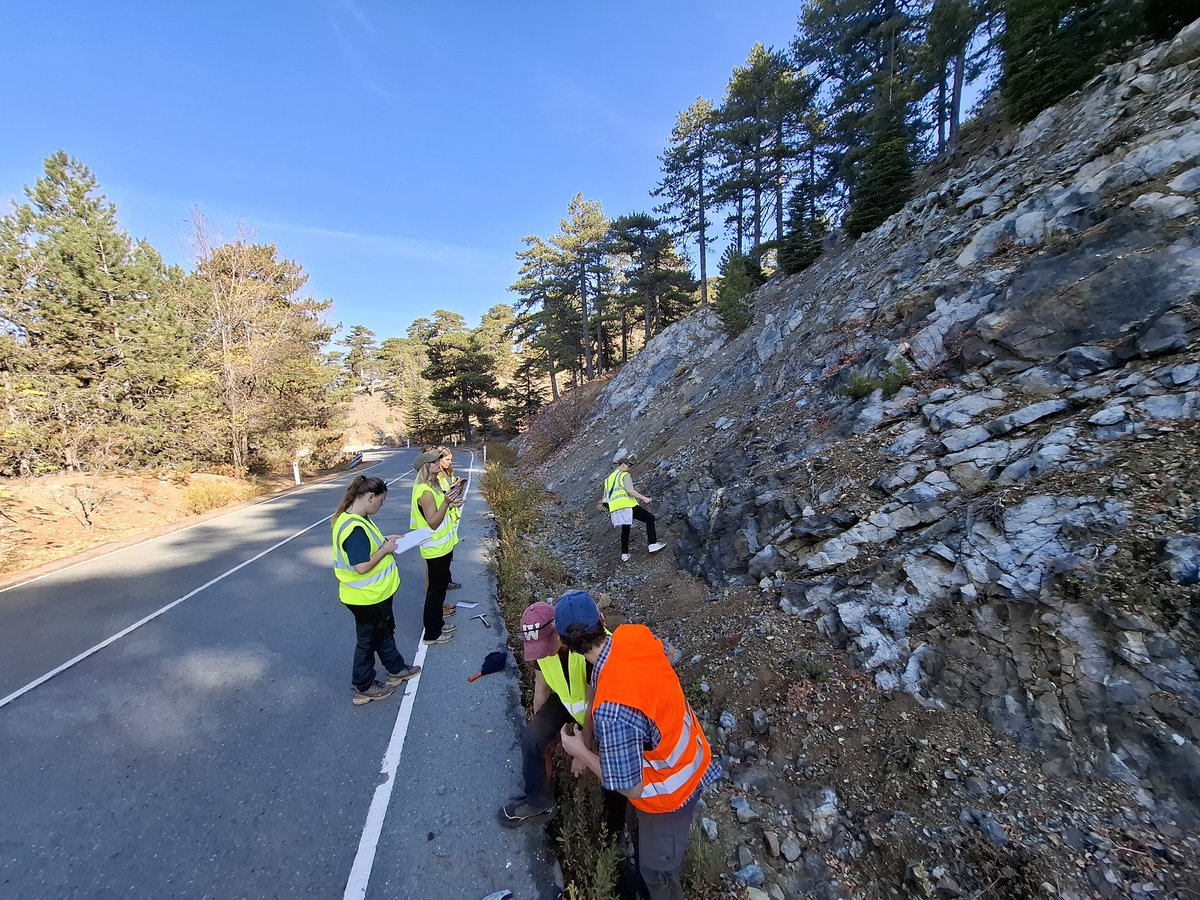
Petrology (including a field course) (5th semester) develops students’ understanding of concepts in igneous and metamorphic processes. We begin at the initiation of the Solar System and work our way through Earth formation and evolution. The course features laboratories each week that are focused upon examining petrological processes outlined in lectures (theoretical tasks, hand specimens, and an introduction to microscope work), with many natural examples. There is a strong focus on the geological relationships of rocks in Greenland, but with many examples elsewhere on Earth (and the Solar System). There is a 1-week fieldtrip to a location of petrological interest.
Petrology and Tectonics of Earth and Space (Master level) trains students in advanced petrological analysis of rocks. We build the course around the use of the scanning electron microscope for understanding petrological processes but using rocks we collect on a week-long fieldtrip and other spectacular examples - such as examining Martian meteorites (not collected on a fieldtrip!). Students have a large say in what we study and where we go on the fieldtrip.
Ore Geology (Master level, summer break). This is a two week course that features analysis of mineral deposits. The course features 1 week of lectures and course-work, followed by a 1 week fieldtrip, where students visit mineralisation sites and historic mines in the Harz mountains in Germany.
APG includes an active group of bachelor, master and PhD students. We have internal institute access to high quality instrumentation, including a metal-free clean laboratory for column chemistry, rock cutting and crushing facilities, ICP-MS instrumentation configured for acquisition of trace elements (by laser) and radiogenic isotopes (Sr, Nd, Pb and Hf by solution; Sr, U-Pb by laser), a tabletop micro-XRF, and a Tescan scanning electron microscope with quantitative EDS capabilities. Inquiries are also welcome for the possibilities of their external use.
Potential Bachelor and Master-level students should contact us for projects. Please note that international students within the EU may study for free.
For those interested in PhDs, please check here first: https://geo.au.dk/en/studies/phd, although the salary and tuition costs will likely be dependent upon either a project having received funding or the student bringing their own money.
For those interested in postdoctoral studies at Aarhus, there are several options:
· https://marie-sklodowska-curie-actions.ec.europa.eu/actions/how-to-apply, for which internal Aarhus support can be provided to aid applications
· https://www.carlsbergfondet.dk/en/applicant/internationalisation-fellowships/
· Alexander von Humboldt also offers support for Germans with a PhD to undertake a Postdoctoral studies outside Germany.
For those researchers interested in a sabbatical here, please make contact. There are some limited options for funding via AUFF, but being a visiting researcher is fine too.