CO₂ mineralization is a natural process that has stabilized Earth’s climate for billions of years by converting volcanic CO₂ into solid carbonates like calcite, the main component of chalk and limestone, storing carbon securely for millions of years. The speed of CO2 mineralization depends on the interactions between carbonic acid (dissolved CO2) and silicate minerals with high contents of metals like calcium, magnesium, and iron, which are particularly abundant in basaltic (volcanic) and ultramafic (from Earth's mantle) rocks.
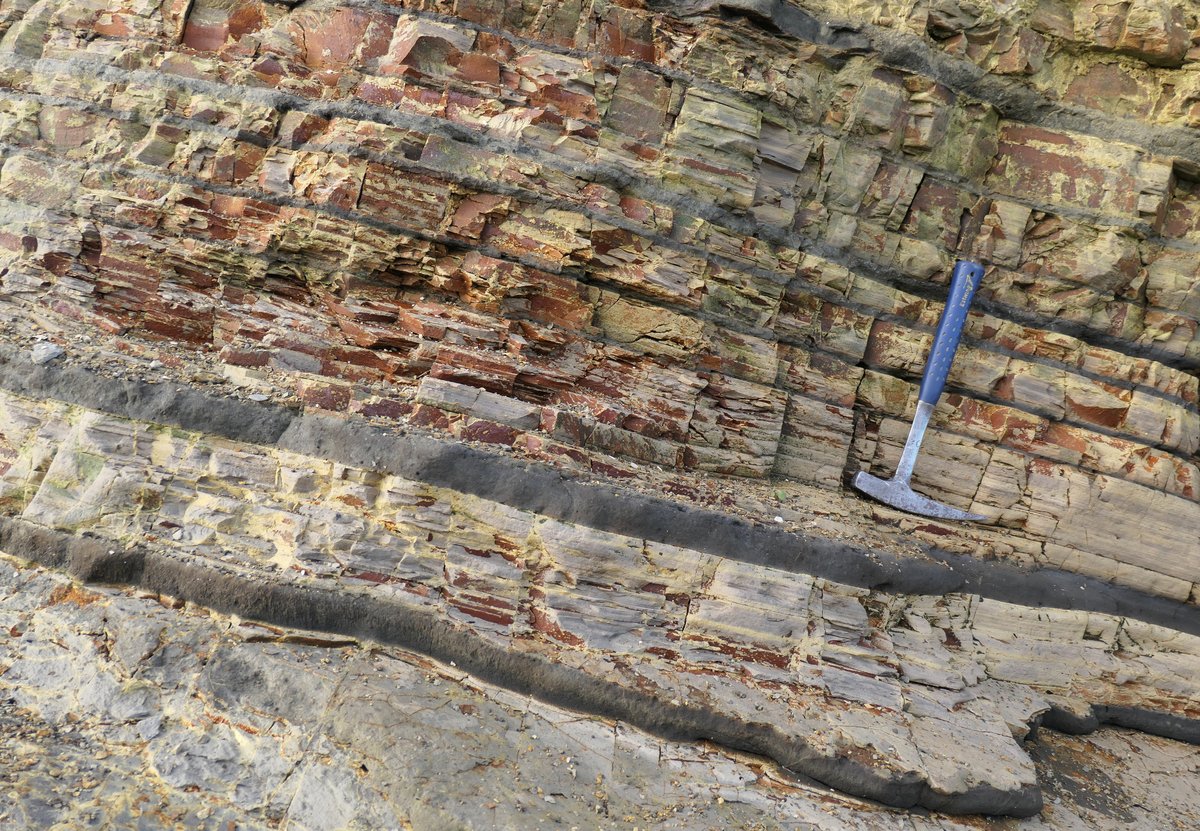
The aim of C•ASH is to investigate the potential of Eocene basaltic volcanic ash in the Danish subsurface for efficient, inexpensive, local, and nature-inspired CO2 storage by carbonate mineralization. Denmark’s potential to pioneer CO2 mineralization is bolstered by several important factors: