The Water and Surface Processes Research Cluster studies the Earth from the shallow subsurface to the atmosphere. Our work covers studies of the seabed, mapping of groundwater and raw materials, soils sciences, understanding landforms and sediment processes, and monitoring greenhouse gas emissions with drones and satellites.
We have a strong focus on application and development of quantitative and computational methods, including numerical geophysical modelling, inversion theory, probabilistic approaches, and machine learning. We use these methods to integrate diverse datasets, quantify uncertainty, and improve forecasts based on geophysical and geological models.
Most projects focus on applied geoscience solutions for creating a sustainable future.
Numerical Methods:
This field focuses on using and developing statistical and computational tools to understand and predict Earth systems. It includes techniques such as inversion theory, probabilistic analysis, and machine learning.
Hydrogeophysics:
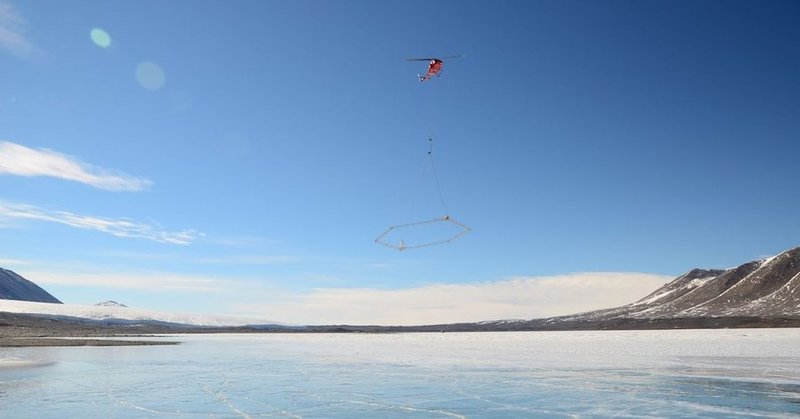
Hydrogeophysics is the application and development of geophysical methods (electrical and electromagnetic methods) for mapping groundwater systems, contamination, and raw materials in the subsurface,
Soil Science:
Soil science is the study of soil properties, formation, and function. It examines how soils store water and nutrients, support ecosystems, and interact with human activities and environmental processes.
Geomorphology and Sedimentology:
Geomorphology is the study of landforms and the processes that shape them, while sedimentology focuses on the formation, transport, and deposition of sediments. Together, they help understand landscape evolution, rivers, coasts, and glacial terrains.
Remote Sensing:
Remote sensing is the use of satellites and drones to observe the Earth from a distance. It allows us to monitor environmental changes, map geological features, and track phenomena like greenhouse gas emissions.
Humanitarian Geoscience:
We have several projects supported by Danida and the Danish Ministry of Foreign Affairs, focused on knowledge exchange, training of local researchers, and method development, mostly in African countries. The projects primarily aim to ensure access to clean and safe drinking water resources.